Old Style Solder

Channel Hopper

Suffering fools, so you don't have to.
Staff member
My Satellite Setup
A little less analogue, and a lot more crap.
My Location
UK
I thought the 60/40 variety had been killed off as a result of scare stories on the environment and young person brain damage but yesterday I found it being sold in the local Wilko/Wilkinson store.

Wilko Cored Solder Wire
 
I misread the title as Old Style Soldier.

Disappointed.
 
I thought the 60/40 variety had been killed off as a result of scare stories on the environment and young person brain damage but yesterday I found it being sold in the local Wilko/Wilkinson store.

Wilko Cored Solder Wire

That's actually a quite common misunderstanding, as part of the RoHS thing that was introduced many moons ago, big manufacturers aren't allowed to use leaded solder in the making of PCBs and electricals, but us hobbyists, DIYers and small-scale manufacturers (like bigclivedotcom) are allowed to use good ol' 60/40, because it works and doesn't cause tin whiskers that kill modern electronics prematurely, and the irony is, the RoHS was intended to reduce e-waste and toxic materials ending up in landfill, except tin solder has increased e-waste and made things a whole lot worse, epic fail... :-rofl2

There are some exceptions though, such as medical or military grade equipment where tin solder is unacceptable due to the well-known failure rates, and some manufacturers can use leaded solder in their products as long as they don't claim they're RoHS-compliant and are "mission critical", meaning it'd cost a lot of money to keep replacing failed parts due to crappy solder causing unnecessary downtime...

But that said, electronics manufacturers (from cheap freeview boxes to high-end computers) LOVE tin solder, because it causes premature failure as that means people will be buying new replacements every couple of years so keeps them in profit...

 
That's actually a quite common misunderstanding, as part of the RoHS thing that was introduced many moons ago, big manufacturers aren't allowed to use leaded solder in the making of PCBs and electricals, but us hobbyists, DIYers and small-scale manufacturers (like bigclivedotcom) are allowed to use good ol' 60/40, because it works and doesn't cause tin whiskers that kill modern electronics prematurely, and the irony is, the RoHS was intended to reduce e-waste and toxic materials ending up in landfill, except tin solder has increased e-waste and made things a whole lot worse, epic fail... :-rofl2

There are some exceptions though, such as medical or military grade equipment where tin solder is unacceptable due to the well-known failure rates, and some manufacturers can use leaded solder in their products as long as they don't claim they're RoHS-compliant and are "mission critical", meaning it'd cost a lot of money to keep replacing failed parts due to crappy solder causing unnecessary downtime...

But that said, electronics manufacturers (from cheap freeview boxes to high-end computers) LOVE tin solder, because it causes premature failure as that means people will be buying new replacements every couple of years so keeps them in profit...
All I can say is ..
Thank Higgs it is still available ..
I think I'd totally give up the repair trade if I had to use lead free solder ..
In short it is 'Shyte' with a capital S ..
Responsible for more dry joints ..solder migration ..and premature pcb death than leaded solder ever did.
nuff said..
 
In short it is 'Shyte' with a capital S ..

Indeed, I remember about 10ish years back I made the mistake of buying some tin solder, and it was a load of crap, worst soldering I'd ever done, and my soldering ain't that great to begin with!! :-doh
 
TBH, if you want/need to use tin solder, then you need the correct flux to use with it - I had that a few months ago when replacing a radiator. When I used the appropriate flux, the joints were made quickly and were leak-free!
 
TBH, if you want/need to use tin solder, then you need the correct flux to use with it - I had that a few months ago when replacing a radiator. When I used the appropriate flux, the joints were made quickly and were leak-free!

I've also been working on peltier devices as of late.
 
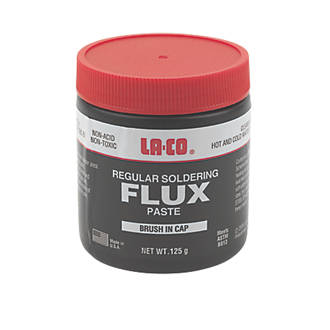
I have used La-Co flux for many years now on both tin/lead and lead-free solders.

It just works brilliantly compared to old style resin and greasy fluxes. You don't need to clean the copper up s much compared to the old fluxes. It's probably the least important thing but I have always been impressed by the way it removes oxidation from copper pipe.

ae235
 
That they don't perform anywhere near the manufacturers/importers claims.
 
Last edited:
Back
Top