
SEOShamsher
Member
- My Satellite Setup
- Past setup:
• 8-ft dish covering 68.5°E, 75.0°E (Ku), 78.5°E, 83.5°E, 90.0°E, 93.5°E (Ku), 100°E, 105.5°E, 115.0°E
• 6-ft dish at 49.0°E
• Receivers: COSHIP CDVB2000B, Dish TV Zinga
Current status:
Sold all equipment — want to start again from scratch.
- My Location
- Ludhiana, Punjab, India
So I just realized something crazy while planning my polar mount build.
My location is literally 12 meters inside the geometric horizon limit for Dror 1 at 4°W the last satellite on my western arc. Twelve meters. That's it. My neighbor down the street is in a dead zone.
Once my polar mount is up I'm going for it going to see what actually comes through at this razor thin margin.
Has anyone else been this close to the horizon limit for their last trackable satellite?
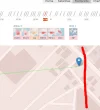
My location is literally 12 meters inside the geometric horizon limit for Dror 1 at 4°W the last satellite on my western arc. Twelve meters. That's it. My neighbor down the street is in a dead zone.
Once my polar mount is up I'm going for it going to see what actually comes through at this razor thin margin.
Has anyone else been this close to the horizon limit for their last trackable satellite?

